Written by: Alishba Mahmood, Specialist in Mental Health Studies (HBSc), University of Toronto
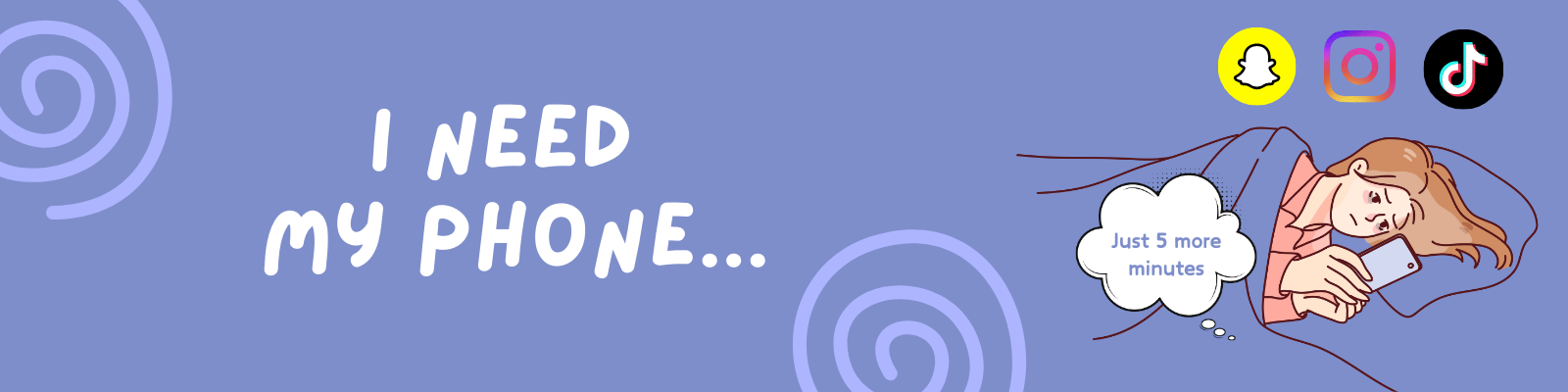
Do you use your phone out of boredom or as a way to distract yourself from negative emotions? If so, it’s possible you’ve developed a habit out of it.
Some signs that you may be struggling with a digital addiction include the following:
Spending hours on your phone every day
Having trouble concentrating on tasks
Neglecting real-life interactions
Feeling gloomy, irritated, or restless when your phone isn’t nearby
Doom-scrolling on your phone to escape negative emotions
Decreased productivity or sleep due to poor sleeping habits
Checking your phone first thing in the morning after you wake up
Feeling like your phone is ringing/vibrating when it’s not (i.e. phantom senses)
Mindlessly checking your phone or re-opening apps
Loss of interest in other activities
Source: (De-sola et al., 2016).
Consequences of Digital Addiction
Digital addiction is more common than you think. According to a study from 2022, the average daily screen time is nearly seven hours, with social media use accounting for approximately 2 hours and 27 minutes (Pellegrino et al., 2022). Numerous studies have also shown that overuse of technology can also lead to significant negativeeffects, such as the following:
Psychological Consequences: Significantly increased levels of anxiety, depression, loneliness, and an overall decline in life satisfaction.
Cognitive Consequences: Reduced attention span and memory issues, which is associated with lower academic and work-related performance.
Social Consequences: Feeling emotionally disconnected from others, lower quality in-person interactions and meaningful connections.
Source: (Amirthalingam & Khera, 2024).
The Psychology Behind A Digital Addiction
In this digital era, it’s no surprise that resisting your phone is quite difficult. They fit perfectly in our hands and are filled with endless, entertaining content, all designed to keep us hooked. This instant satisfaction can dysregulate the part of the brain that regulates our emotions and sense of rewards…
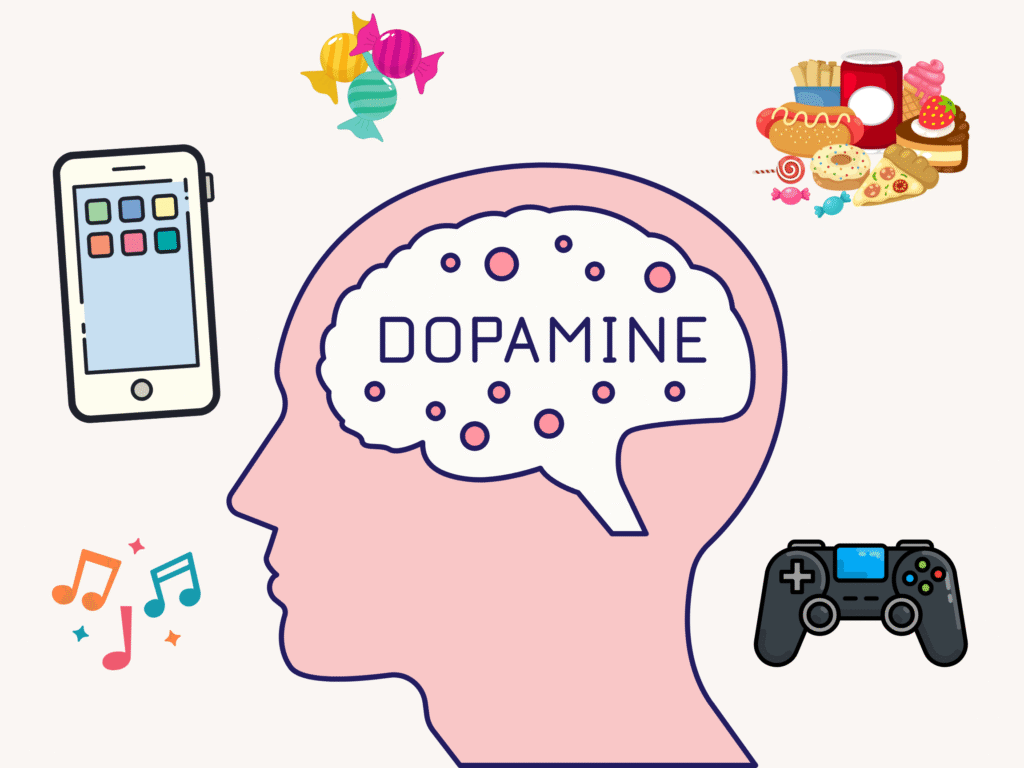
Every time we check our phones because we’re bored, lonely, or want a distraction, our brain gets ‘rewarded’ for consuming entertaining content and releases a feel-good chemical called dopamine. This quick hit of dopamine teaches our brain to want more of that fast, fun content. This can make our brain’s reward system get out of balance. Over time, things that don’t give us instant excitement, such as reading or studying, can start to feel boring or harder to enjoy.
The good news is that our brain has an ability to change and adapt, a process called neural plasticity. When we’re constantly using digital devices, our brains can get fatigued, making it harder to relax, focus or think clearly. A digital detox (taking a break from screens) gives the brain a chance to rest and recharge. This helps it “reset,” allowing us to think more clearly and improve our ability to learn and adapt.
In therapy, clients learn to channel this ability by building new habits and training the brain to enjoy healthier, more meaningful activities, instead of endlessly scrolling on their phone.
Listed below are some strategies for a digital detox to also help get you started.
Strategies for a Digital Detox
Cognitive Behavior Therapy
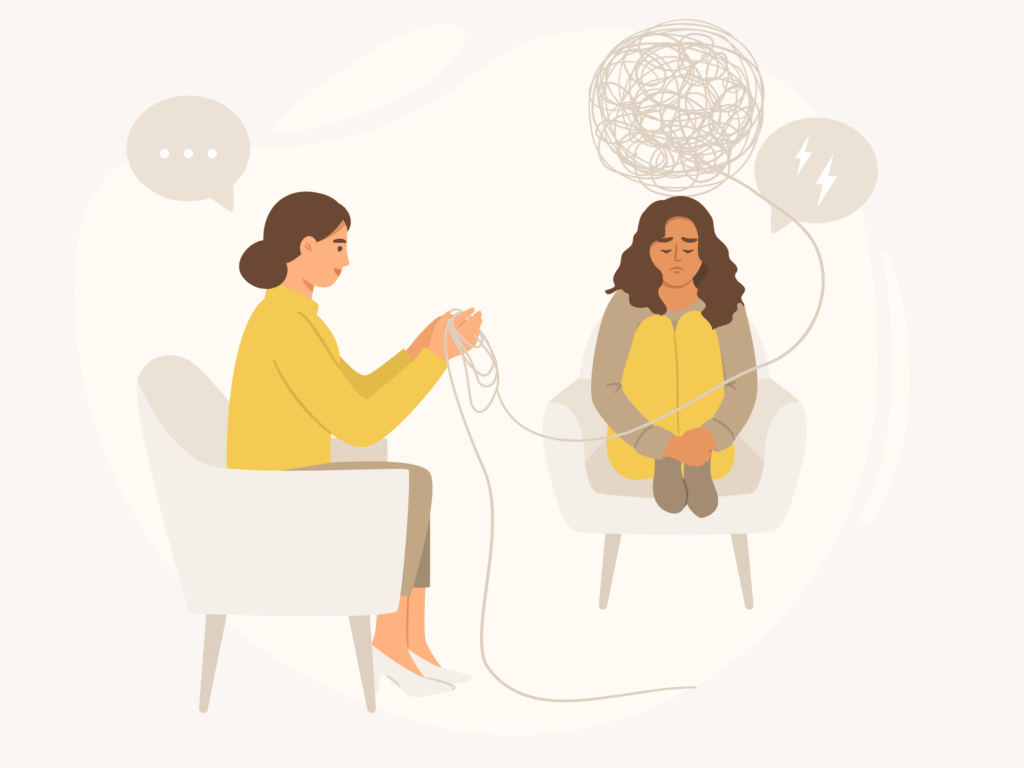
Using CBT with a therapist can help you recognize your negative thought patterns or triggers associated with social media use, and then they can help modify those behaviours to reduce the negative impact of digital use.
Mindfulness
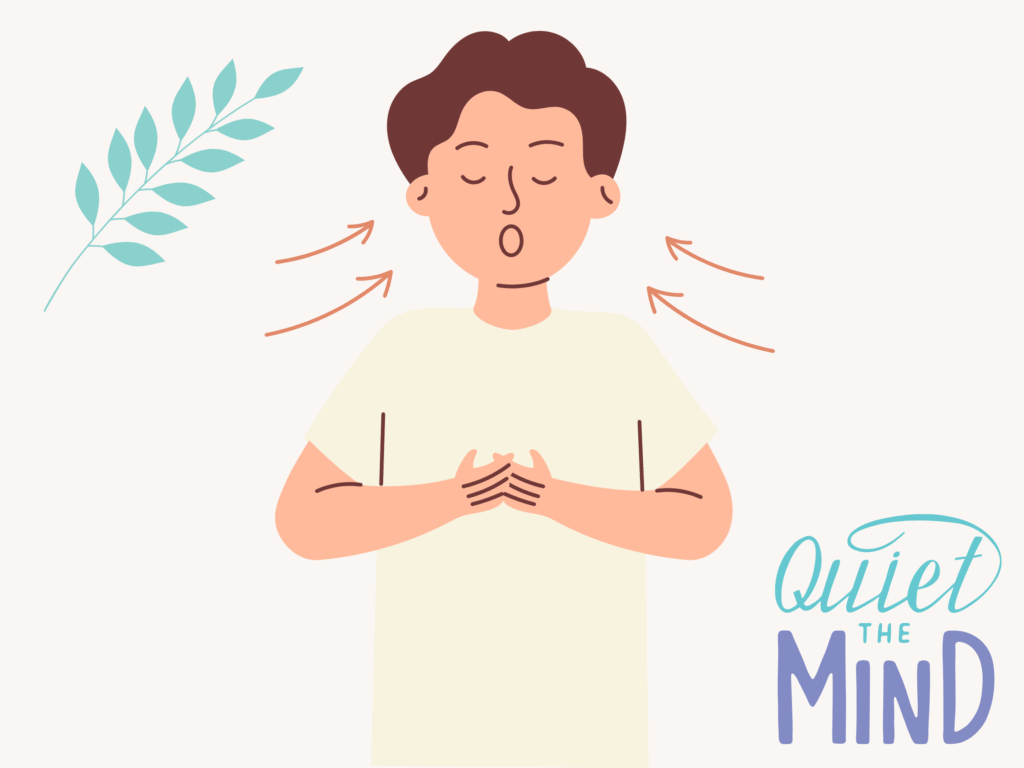
Mindfulness can help you become more aware of your thoughts, emotions and behaviors in the present moment, which can help reduce impulsive or unhealthy phone use.
Setting Time Limits
Mindlessly scrolling on social media for hours can be a hard habit to break out of. Installing app blockers or setting a timer can remind you to take a break periodically, effectively limiting your screen time everyday.
Explore New Hobbies
Fill your day with activities that don’t involve your smartphone, such as painting, sports, or creative writing. These activities not only keep your hands and mind busy, but also help you reconnect with the joy of being present in the moment, without the constant pull of notifications.
Additional Support
Taking control of your social media habits is a powerful first step toward a healthier, more intentional lifestyle. By setting boundaries and using technology mindfully, you create space for deeper connections, greater clarity, and personal growth. Remember, technology is a tool meant to serve you, not the other way around. The power to shape your digital life is in your hands.
Using the strategies outlined in this blog (and more) with the help of an experienced professional can also be a big step towards breaking free from your habits (i.e. digital addiction) and healing. A free consultation with your preferred therapist and learning approach can be booked here.
*Disclaimer: The information in this blog post is for educational and informational purposes only and is not intended as medical advice. Should you have been struggling any emotional or mental health challenges and would like to seek professional helps, please talk to your family physician, or professionals like Registered Social Worker or Registered Psychotherapists.
References:
Amirthalingam, J., & Khera, A. (2024). Understanding Social Media Addiction: A Deep Dive. Cureus, 16(10), e72499. https://doi.org/10.7759/cureus.72499
De-Sola Gutiérrez, J., Rodríguez de Fonseca, F., & Rubio, G. (2016). Cell-Phone Addiction: A Review. Frontiers in Psychiatry, 7, 175. https://doi.org/10.3389/fpsyt.2016.00175
Lawler, M. (2023). How to Do a Digital Detox Without Unplugging Completely. Everyday Health. https://www.everydayhealth.com/emotional-health/how-to-do-a-digital-detox-without-unplugging-completely/
Pellegrino, A., Stasi, A., & Bhatiasevi, V. (2022). Research Trends In Social Media Addiction And Problematic Social Media Use: A bibliometric Analysis. Frontiers in Psychiatry, 13. https://doi.org/10.3389/fpsyt.2022.1017506