Written by: Alishba Mahmood, Specialist in Mental Health Studies (HBSc), University of Toronto
Editor/Design: Kimmy Sze, MPS candidate, Knox College, University of Toronto
We’ve all put off tasks we didn’t like doing until the last minute, even though we know it’s important that we get it done. Whether you’ve been putting off studying for an important exam, going to the gym or completing household chores, the feeling of guilt inevitably creeps in and you think, “Why am I so lazy?” Procrastination is not laziness or a character flaw. It is our brain’s way of coping with stress and is often a sign of emotional overload. When we procrastinate, we’re not just avoiding the task itself, but also the uncomfortable emotions tied with it. Although this can provide short-term relief, it can make us feel worse in the long-run. Let’s explore common root causes of why we procrastinate, and some helpful ways to overcome it.
What Causes Procrastination (And the Coping Skills)
1. Feeling Overwhelmed: When Everything Feels Like Too Much
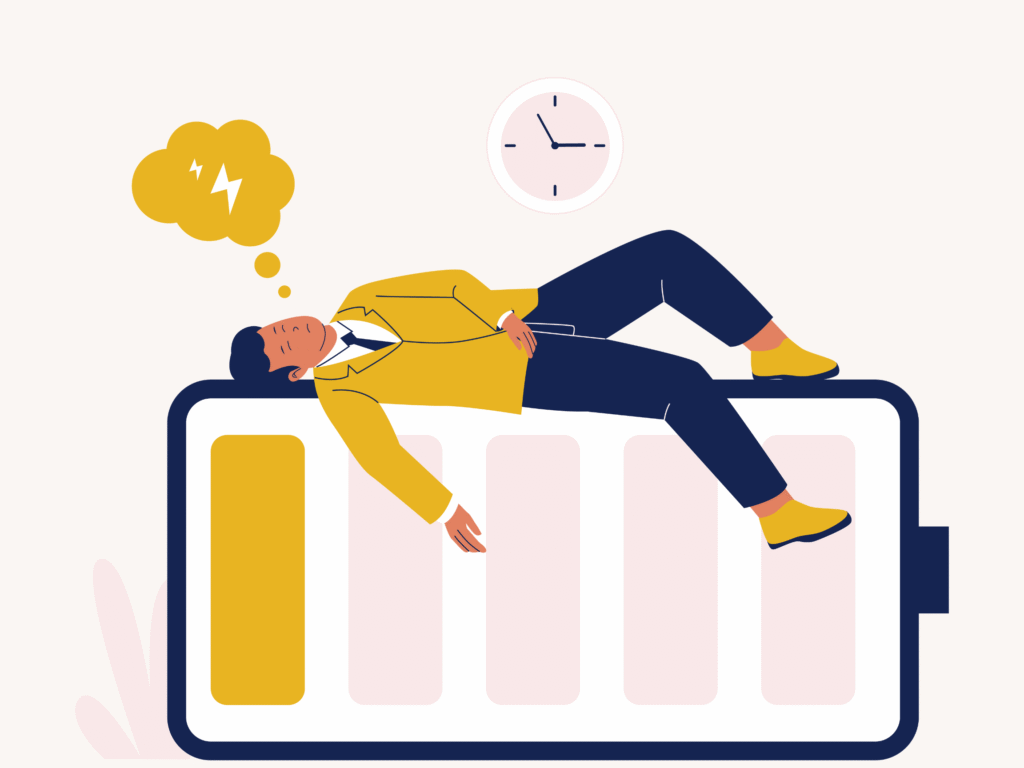
Cognitive Load: An increase in tasks or responsibilities can lead to a decline in mental resources, making it harder to complete each task effectively.
The size or complexity of the task may also be too difficult, so you avoid it entirely as a way to cope with it.
Ways to cope when feeling overwhelmed:
Write a to-do list in order of easiest to hardest tasks
Break down tasks into easier and smaller steps
Ask for support from trusted peers
Reward yourself with a small treat after completing tasks
Source: (Braithwaite, 2021).
2. Perfectionism: When You Feel Trapped in a Cycle
If your self-worth is tied to certain tasks or outcomes, you may set high standards for yourself and only wish to put out your best quality work. This all-or-none thinking leads to procrastination until there is a “perfect” time or you’re in the “perfect” mood, which never actually comes. This can paralyze your ability to complete the task altogether.
You may also have a fear of being criticized for your work by others, which can reduce your sense of excitement and motivation for working on the task.
Ways to cope with perfectionism:
Set up realistic goals
Learn to calm your inner critic by responding with compassion
Separate your worth from your projects
Start seeing failures as a tool for growth
Source: (Stein & Parker, 2024).
3. Low Motivation: When You Just Don’t Care Enough (But Wish You Did)
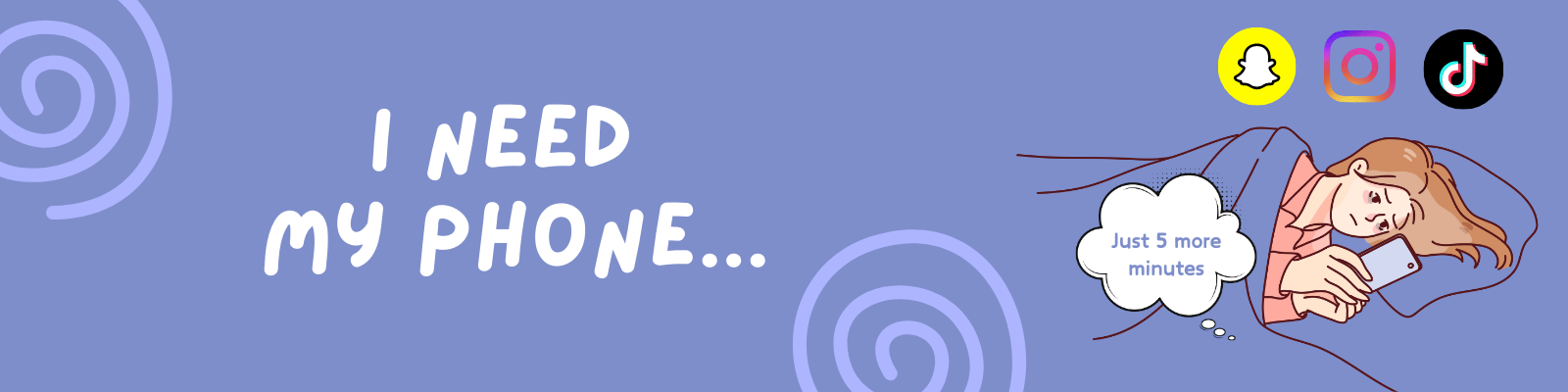
Our internal reward system seeks pleasure from immediate rewards rather than long-term rewards. For example, the immediate reward of scrolling on your phone feels better than the long-term reward of completing a task. This is why you may delay that task in exchange for more entertaining activities.
You may also have a lack of energy, interest or purpose for completing a task, even though you objectively recognize its importance.
Ways to cope with low motivation:
Celebrate “tiny wins” when making progress on tasks
Build intrinsic motivation (i.e. make tasks personally enjoyable instead of seeking external rewards)
Develop structure in your daily routine
Change your environment for a fresh perspective
Visualize what success looks like to you
Reconsider what your passions and values are in your life to see if what you’re focusing on are the right things in the long term
Work with a friend or loved one to motivate each other and set out goals together
Sources: (Cherry, 2024; Perry, 2024).
Doing Your Best Looks Different Every Day
While there are many reasons to procrastinate, it is important to recognize that this can be a common and deeply human response. Many people have a hard time doing their best, regardless of the task at hand. Some days, you might feel very focused and ready to take it all on. Other days, you might question if you even have what it takes. In these moments, remember to treat yourself with compassion because changing our old habits is a process that does not happen overnight.
Procrastination, ADHD, and Trauma: Know When to Seek Help
If you feel like your procrastination is prolonged, widespread, debilitating to stay on top of your responsibilities or even showing up with other symptoms, this could be suggestive of situations like living with Attention-Deficit/Hyperactivity Disorder (ADHD) or having trauma impact responses requiring further assessments and interventions. Our team of therapists and physicians are available to you as a reliable source of support and can be contacted here for a consultation—free of charge.
*Disclaimer: The information in this blog post is for educational and informational purposes only and is not intended as medical advice. Should you have been struggling any emotional or mental health challenges and would like to seek professional helps, please talk to your family physician, or professionals like Registered Social Worker or Registered Psychotherapists.
References:
Cherry, K., & Susman, D. (2024). What Is Procrastination? VeryWell Mind.