Does Seeking Couples Therapy Mean I’ve Failed in My Marriage?
No! Seeking Couples Therapy does not mean you fail in your marriage! It’s a common misconception that couples therapy is a last resort for relationships on the verge of collapse. Many feel that asking for help means they’ve somehow “failed” in their marriage. But the truth is, seeking couples therapy is not a sign of failure—it’s a powerful step toward a stronger, more connected partnership.
What Is Couples Therapy?
Couples therapy is a form of counselling designed to help partners navigate challenges in their relationship, strengthen communication, and deepen emotional bonds. Whether it’s recurring conflicts, communication breakdowns, or feelings of disconnection, therapy offers a safe space to work through these issues with the guidance of a trained professional.
Why Couples Therapy Can Deepen Connection?
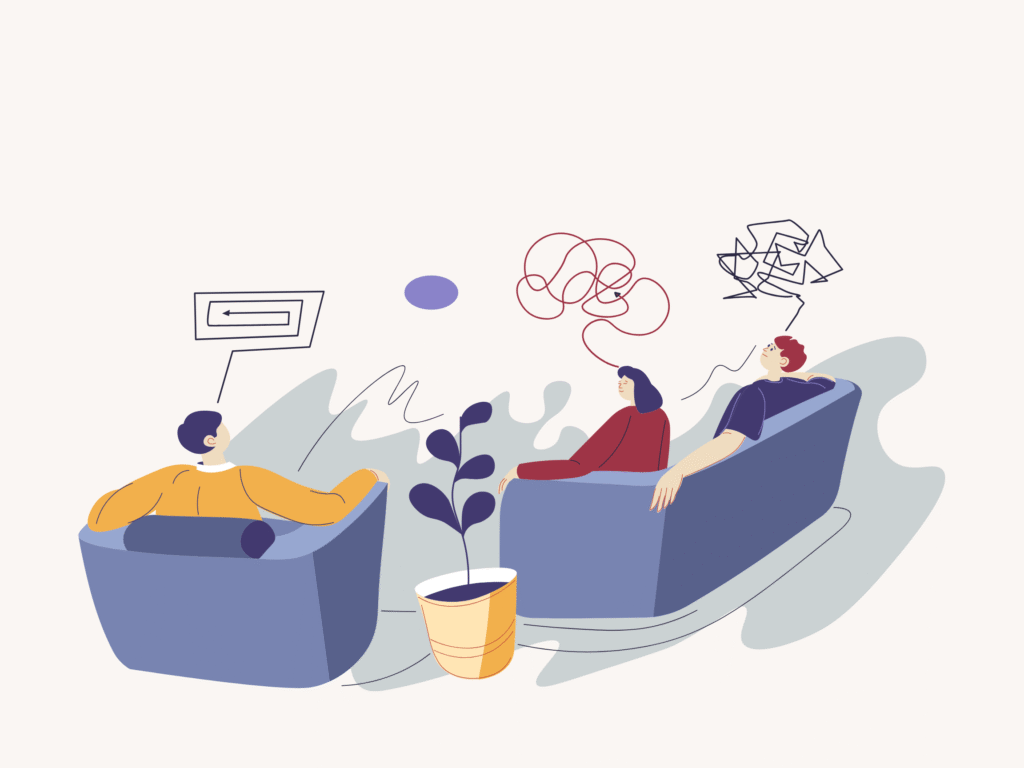
Often, the biggest challenge in relationships is not the conflict itself, but the hidden dynamics we don’t always recognize—our “blind spots” or as Dr. Sue Johnson, the founder of Emotionally-Focused Therapy, would say — our “demon dialogue”. For instance, we may have learned how to love from our upbringing, but that may not align with our partner’s needs. One partner might value words of affirmation, while the other thrives on quality time, as explained in the concept of love languages, you may check here for the Tips on How to Keep Your Marriage Strong and Healthy! . Therapy helps couples uncover these hidden patterns and teaches them how to love each other more effectively and meaningfully.
The Benefits of Couples Therapy
Couples therapy can transform a relationship in profound ways. It fosters greater understanding, empathy, and intimacy between partners. Through therapy, couples develop tools to manage conflict, communicate clearly with emotions, and build a stronger emotional foundation. It’s an opportunity to break unproductive cycles and replace them with healthier, more fulfilling ways of relating to one another.
What to Expect in Couples Therapy?
In couples therapy, both partners will have the chance to share their thoughts and feelings in a neutral, supportive environment. The therapist will guide discussions on emotions, personal family histories, and relationship dynamics while teaching practical skills for managing conflict and deepening your bond.
How Long Does Couples Therapy Take?
On average, couples therapy lasts around 10-20 sessions, but the timeline can vary depending on the couple’s unique needs. Some couples might need fewer sessions for targeted issues, while others may benefit from longer-term therapy for deeper exploration and healing. Also, psychotherapists might schedule individual sessions with each of you to better understand your histories and your feelings towards your relationship. Every conversation will be protected by the rules of confidentiality.
Let Us Support Your Journey
If you’re ready to invest in your relationship and create a deeper, more intimate connection, couples therapy can be a powerful tool to help you get there. It’s not a sign of failure—it’s a sign of commitment to a stronger future together. At Grace Health Centre, we offer couples counselling, as well as programs to built secure attachment with your partner.
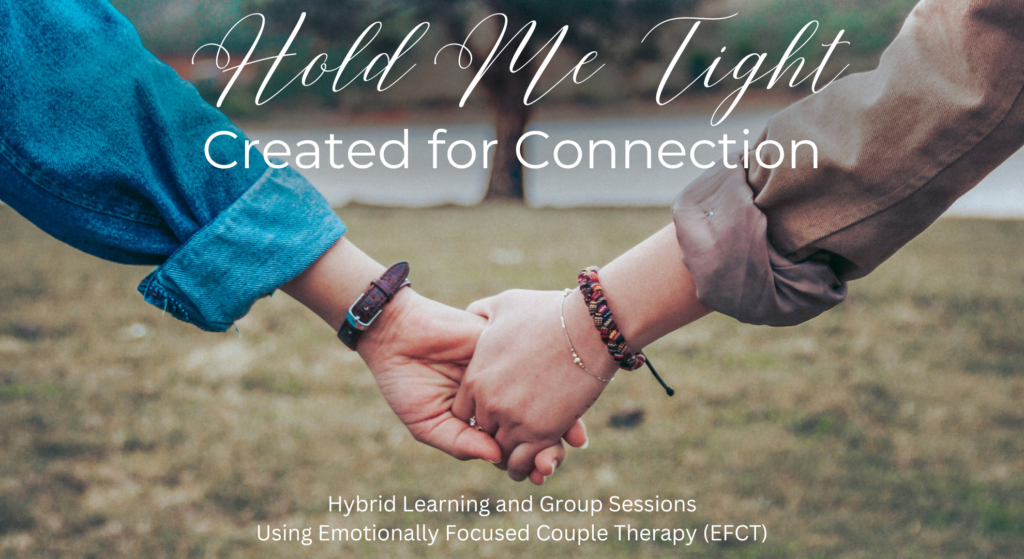
Hold Me Tight – Created for Connection is a Christian-based couples program grounded in Emotionally Focused Therapy (EFT). Across three terms, couples learn to understand their attachment needs, break negative cycles, heal emotional injuries, and build a stronger, more secure bond. Each term includes guided teaching, modelled conversations, practical exercises, and reflections to help partners reconnect with empathy and vulnerability. Led by Dr. Tat-Ying Wong and a trained support team, this program supports couples seeking deeper intimacy, improved communication, and long-lasting emotional
*Disclaimer: The information in this blog post is for educational and informational purposes only and is not intended as medical advice. Should you have been struggling any emotional or mental health challenges and would like to seek professional helps, please talk to your family physician, or professionals like Registered Social Worker or Registered Psychotherapists.