9 Therapeutic Ways to Overcome Your Fear of Failure
It’s normal to be scared of failing at anything that’s important to us, such as passing an exam, nailing that job interview, or maintaining a meaningful relationship. To some extent, it can even be healthy because it encourages us to plan carefully, think rationally, and strive for success.
Sometimes, fear can be debilitating. Whether our fear is driven by perfectionism, criticism, comparison to others, or negative self-talk, these factors can hold us back from trying, growing, and discovering our full potential.
The good news is that many psychological and therapeutic techniques can help us better understand this fear and take back control.
Here are 10 evidence-based strategies to help you overcome your fear of failure:
1. Understand the Self-Fulfilling Prophecy
Our expectations shape our outcomes more than we realize. If you believe you’re going to fail, you may put in less effort or sabotage yourself without knowing it. For example, anxiety about failing a test might lead to procrastination, which increases the likelihood of failing.
Instead, try shifting your mindset by focusing on what you’re capable of rather than what you’re afraid of. Believing in your ability to succeed increases the chances you actually will (Merton, 2016).
2. Use Cognitive Appraisal to Reframe the Situation
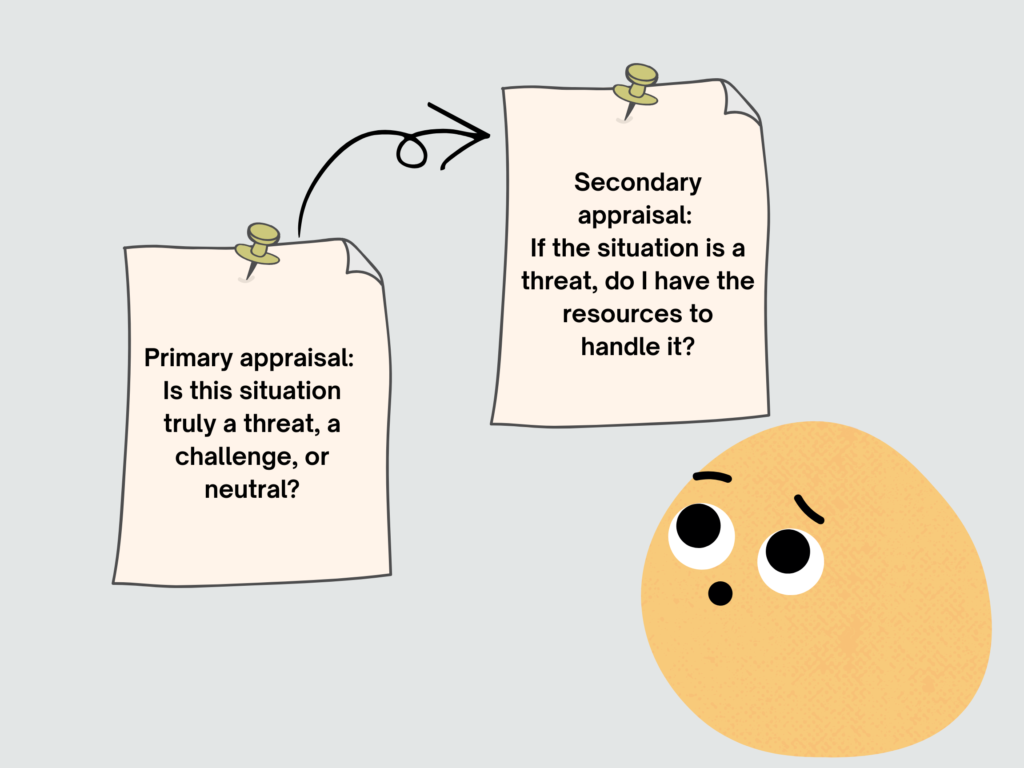
According to the Cognitive Appraisal Theory (Yarwood, 2022), it’s not the situation itself that causes fear, but how we interpret it. Next time you’re scared of failing, ask yourself:
For example, Lily is afraid of failing her final exam. If she sees it as a threat to her future, she may feel helpless. But if she reframes it as an opportunity for growth and reminds herself of her resources (ex. study time, tutoring, support), she may feel more in control.
3. Try Graded Exposure
Fear often thrives on the unknown. One way to overcome this is through a technique used in Cognitive Behaviour Therapy (CBT) known as graded exposure (APA, 2017). Gradually face the thing you’re afraid of, step by step.
For example, if you’re scared of embarrassing yourself in a public presentation, start by talking in a small group, then gradually work your way up to bigger audiences.
4. Learn Through Observation
Another technique used in CBT is observational learning (Xianyou, 2024). Watch how others handle failure. Many people you admire, such as celebrities, teachers, or your peers have likely failed at some point. It can be helpful to talk to them about their experiences, what they learned and how they moved forward. You’ll likely find that failure didn’t stop them. It shaped them.
5. Develop a Growth Mindset (vs Fixed Mindset)
People with a fixed mindset believe abilities are set in stone, so failure may feel final (ex. I won’t ever succeed in the future). Those with a growth mindset see failure as a learning opportunity. Consider replacing thoughts like “I’m just not good at this” with “I’m still learning. I have made progress. I have gained new insightsand I’ll improve with effort.”
6. The Concept of Hedonic Adaptation
Think about a time you failed or made a mistake. How do you feel about it now? Chances are, you’ve moved on and maybe even learned from the experience. Several studies have similarly shown that people adapt over time to both positive and negative events (including failures), returning to their baseline level of happiness (Oppong, 2020).
7. Practice Socratic Questioning
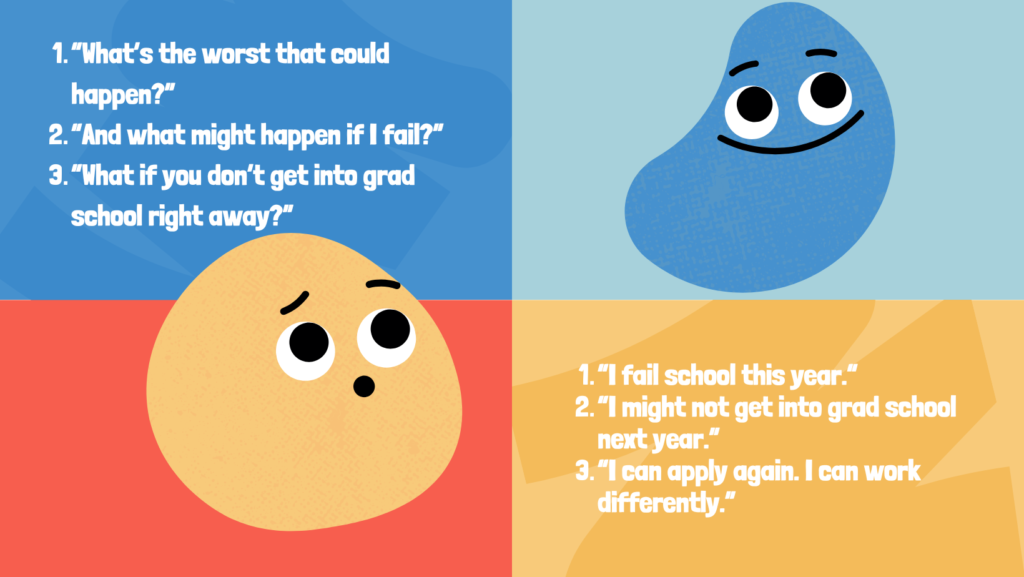
Socratic questioning is a technique used in CBT (Clark & Egan, 2015); challenge your worst-case scenario thinking by asking yourself deeper questions. For example:
This process can help you realize that even your worst fears are often manageable.
8. Focus on Action Over Inaction
Sometimes, the fear of doing something wrong keeps us from doing anything at all. But inaction has adverse consequences, too. As the famous quote goes, “You miss 100% of the shots you don’t take.” – Wayne Gretzky.
Consider taking small actions and celebrating on the small wins. Even if the result isn’t perfect or large, you are taking steps forward.
9. Adopt a Balanced Locus of Control
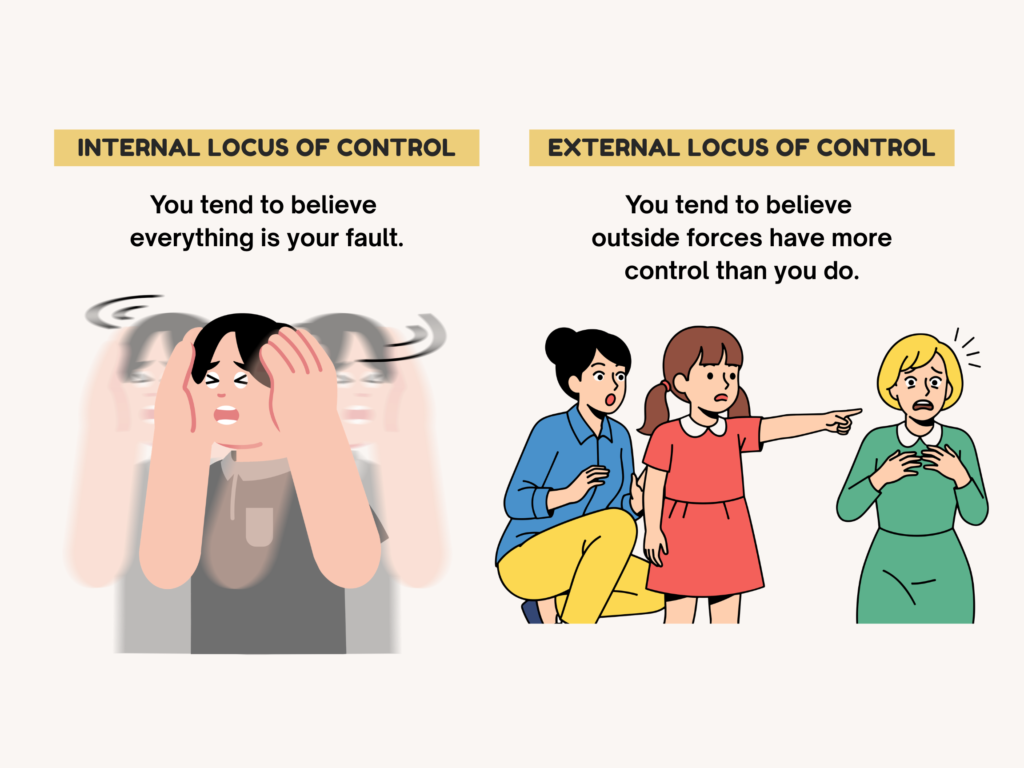
According to research by Julian Rotter (1966), we can shift our sense of control over life events, which can influence how confident we feel about failure.
Developing a more balanced locus of control means accepting what’s in your power and what isn’t. Although you can’t control every outcome, you can control your effort, preparation, and attitude.
10. Prepare, Don’t Panic
Often, fear of failure comes from feeling unprepared. Create a plan, set realistic goals, and take small steps toward them. Feeling equipped reduces fear. You don’t need to be perfect, you just need to start.
Takeaway
Fear of failure doesn’t mean something is wrong with you. It simply means you care. Don’t let that stop you from growing, trying, and becoming who you want to be.
Therapeutic tools like cognitive restructuring, exposure, and mindset shifts can help you navigate fear with more confidence and clarity. And remember that failure isn’t the end, it’s often the beginning of something better.
If you’re finding it difficult to manage your worries and it’s starting to affect your daily life, you don’t have to face it alone. Speaking with a mental health professional can help you understand where your fears come from and develop practical strategies to take back control. At Grace Health Centre, our experienced therapists are here to support you. Book a free consultation here.